 EN
EN


















Buying Industrial Floor Coatings Overseas: From Project Brief to First Order
A practical guide to specifying a coating system, comparing quotations, approving samples and preparing your first shipment.

Buying floor coatings from an overseas supplier involves more than selecting a colour and negotiating a price per kilogram. The material must suit the floor, the application team must understand the system, and the order needs to arrive with the right components and documents. A clear purchasing process connects these decisions before production begins. This guide follows a typical first order, from the initial project brief to the records you should keep after delivery.
1. Describe the job before choosing the product
Start with the building and its daily operation. Is the floor in a warehouse, an electronics workshop, a food-processing area, a car park or a commercial interior? Describe pedestrian traffic, vehicle movement, cleaning routines and any expected exposure to water, oils or chemicals. Identify whether the work is indoors or outdoors and whether the area must remain partly operational. These details help the supplier ask the right questions instead of recommending a product from the floor area alone.
Next, describe the substrate. Record whether it is new concrete, an existing coating or a previously repaired surface. Send clear photographs of cracks, joints, worn areas and visible contamination, together with a simple layout. If moisture conditions or the condition beneath an old coating are unknown, state that explicitly. Agree with the installer which site inspections are needed before a specification can be finalised. A photograph is useful context, but it does not replace an assessment of the actual floor.
2. Compare complete systems, not isolated topcoats
Ask each supplier to set out the proposed layer sequence: substrate preparation, primer, any repair or intermediate layer, and the finishing coat. Request the intended function and application method for each layer. Two quotations using the same generic term, such as epoxy flooring, may cover different products, thicknesses or preparation work. A lower topcoat price is not necessarily a lower project cost if other essential materials have been omitted.
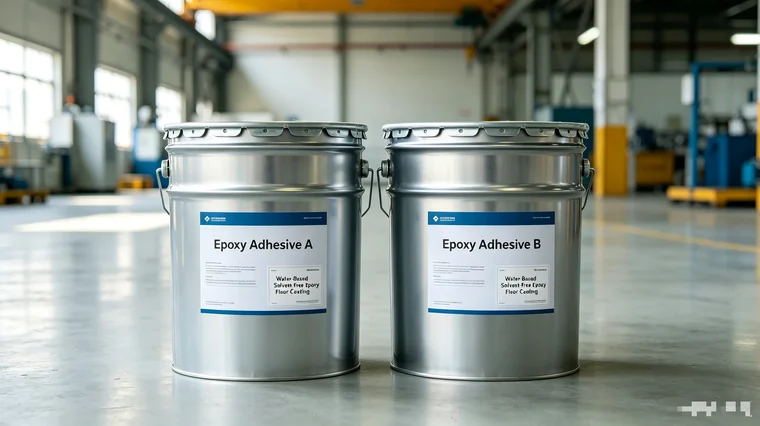
For multi-component products, confirm which components are included and how the supplier packs them as matched kits. Obtain the product-specific mixing and application instructions; do not assume that another epoxy product uses the same ratio, working time or recoat window. Ask the supplier and installer to explain any limitations that matter for your operating conditions, including cleaning, appearance, exposure and the planned return to service.
3. Build a quotation that can be compared
Give each supplier the same brief and ask for a line-by-line quotation. Useful fields include product name, system layer, proposed quantity, net weight per kit, number of kits, colour, unit price and total price. Request the consumption assumptions behind the quantity estimate, along with any allowance for surface texture, repairs or application losses. Keep those assumptions visible so that a change in area or surface condition can be reflected in the order.
Separate the material price from packaging, inland transport, international freight and any other quoted charges. Confirm the named delivery location and the responsibilities included in the proposed shipping arrangement. Also record payment stages, the point at which lead time starts, and what requires approval before manufacturing. Compare the same scope across suppliers rather than treating differently defined totals as equivalent.
4. Approve a sample with a written acceptance record
A sample is most useful when it answers a defined question. A colour panel can help confirm the intended appearance; an application trial can help the installer evaluate handling and the agreed system on a representative substrate. Decide what you need to check before requesting the sample. Record the product and batch identification, the substrate, the application process and the conditions of the trial so that the result has useful context.
Keep an approved physical colour sample where possible and agree which reference takes priority if a screen image looks different. Record the accepted colour, finish and any agreed appearance tolerances in the order. A good-looking sample does not by itself establish performance under every service condition. If a project calls for specific test results, agree the relevant requirement and ask for evidence that applies to the actual product being purchased.
5. Confirm documents and shipment details early
Request current technical and safety data for every component before finalising the shipment. Check that product names match the quotation, packaging labels and shipping documents. Ask the supplier and your chosen carrier to confirm the transport classification for those specific materials and the planned route. Do not assume that all water-based products, all epoxy coatings or every component in one system share the same transport requirements.
Confirm pack sizes, pallet dimensions, gross weights, batch identification, storage instructions and the usable shelf life expected on arrival. If the order uses your own brand, approve the label artwork and language before printing. Ask what documents will be provided with the order, who will check them before dispatch and how you will receive copies. Resolve discrepancies while the goods are still at the factory, when corrections are easier to coordinate.
6. Prepare the site and receive the materials systematically
Before dispatch, align the shipping schedule with site readiness and the installer’s availability. Make sure the team has the current application instructions and knows whom to contact if site conditions differ from the agreed brief. Arrange suitable storage according to the product documents, and keep the components identifiable as matched sets. Avoid scheduling the installation solely around a vessel’s estimated arrival date; delivery and site preparation both need to be confirmed.
On receipt, count the packages and compare them with the packing list. Check product names, component labels, batch numbers and visible packaging condition. Photograph discrepancies and report them promptly with the order reference. Keep the approved quotation, sample record, product documents and delivery records together. If an application question arises later, this small set of records helps the supplier and installer understand exactly what was supplied and how it was used.
A useful first message to your supplier
Your first inquiry does not need to be complicated. Include the project location, intended use, approximate floor area, what you know about the substrate, the desired finish and the target schedule. Add whether you are purchasing for a single project, distribution or an own-brand range. Mark any unknown details rather than guessing. The next step is a focused technical conversation, followed by a documented system proposal and quotation that both sides can review before committing to the first order.